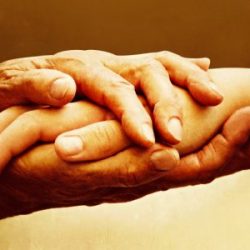
I AM in everything – and everything is in me (and you)

What would be the simplest inquiry of dropping your body-mind, your ordinary ego-based consciousness that says, “I am this and I am that” describing different qualities of your outer being?

WHO AM I? ask again: WHO AM I? and again: WHO AM I?

What is arising in your consciousness?

You are aware of your feelings, so you cannot be your feelings – Who are you then?

You are aware of your thoughts, so you are not your thoughts – Who are you?

You are aware of the snow flakes flying in the sky, so you are not those flakes flying – Who are you?

You are not objects anywhere, not thoughts in the mind, not feelings in the body…. BUT you can witness them all.

You ARE that Witness. And so is everyone else since we all have this… and that.

People typically feel trapped by life, trapped by the universe, because they imagine that they are actually in the universe, and therefore the universe can squish them like a bug. This is not true. You are not in the universe; the universe is in you.” - Ken Wilber, One Taste, p. 448.

Our every action has a re-action in the Universe, which is like a mirror answering to us right the way we send out the action. It’s all reflecting back to us, whether negative or positive. Our every thought has a consequence too, even though it might be hard to realize. In this timeless and non-local quantum universe there are no distances: our thoughts, actions and re-actions travel faster than the speed of light. We are sending out information every now and now and now, and all of that has an effect into our surroundings as well as into ourselves. What I mean by this, is that the sense of separateness is an illusion, a culture and ego-based delusion that makes us miserable and detached not only from ourselves, but of others, the nature and the whole biosphere.

I would like people to treat themselves and love themselves as he/she/it was the dearest person/thing on earth. It’s all reflecting from you if you can love yourself as you would love your closest partner. Because he/she is you, and you are him/her. The key to understanding the universe is the realization that you are its smallest part and at the same time its largest part.

All of the information in the Universe is at hand at every possible moment; we just have to attune ourselves into the right frequency by regaining our connection to the spirit and the unborn. Spirit or the Field, or whatever name, the tilt of Eros, play of Lila, is what is creating all this that we see, hear, smell, sense and experience; and we are all part of that… in fact we are nothing but that.

Most of the great physicists have been also mystics; they have understood the nature of the universe, the non-locality, non-separateness and that we are in fact all connected, all the same face of the unborn.

“Consciousness is a singular of which the plural is unknown. It is not possible that this unity of knowledge, feeling, and choice which you call your own should have sprung into being from nothingness at a given moment not so long ago; rather, this knowledge, feeling, and choice are essentially eternal and unchangeable and numerically one in all people, nay in all sensitive beings.

The conditions for your existence are almost as old as the rocks. For thousand of years men have striven and suffered and begotten and women have brought forth in pain. A hundred years ago, another man sat on this spot; like you he gazed with awe and yearning in his heart at the dying light on the glaciers. Like you he was begotten of man and born of woman. He felt pain and brief joy as you do. Was he someone else? Was it not yourself?

- Erwin Schroedinger (Physicist, Nobel Prize winner)

Was this not you? You are humanity itself. Therefore love the world, and love all people, and love the Kosmos, because you are its only Self.

Nassim Haramein, a mystic, cosmologist and astrophysicist has with his resonance Project presented the possible quantum physics solution to this deep realization: “This significant paper marks a new paradigm in the world of quantum theory, as it describes the nuclei of an atom as a mini black hole, where protons are attracted to each other by gravitation rather than some mysterious undefined ‘strong force’. This radical new view of the quantum world produces a unification of the forces and appropriately predicts measured values for the nucleon of an atom.”

http://theresonanceproject.org/wp-content/uploads/AIP_CP_SProton_Haramein.pdf

Whether or not you believe what Nassim Haramein here presents it is obvious that the current situation in our world has to do with the thing that we think we are separate beings from others. We have set certain boundaries that say “mine” or “me”. Not until we truly understand this can we “save” Earth and act like it is part of us… in fact we/I/You are/am the Earth.

The simplest thing to do is to think how you could do things, send thoughts and react into others as it would be of the greatest help for greatest number of people. When you are creating positive vibes, positive frequencies into the Universe it will be heard. Help yourself, help others. 1+1 is not-two; it’s infinite. By adjusting our consciousness into creating as much love, goodness, kindness and health into the world can we best help not only ourselves but everyone/thing else too.

“Raindrops are beating, a large puddle is forming, there on the balcony. It all floats in Emptiness, in purest Transparency, with no one here to watch it. If there is an I, it is all that is arising, right now and right now and right now. My lungs are the sky; those mountains are my teeth; the soft clouds are my skin; the thunder is my heart beating time to the timeless; the rain itself, the tears of our collective estate, here where nothing is really happening at all.” - Ken Wilber, One Taste, p.429.

Here is a task for you: Everytime you realize that you are in an uncomfortable situation, facing it the millionth time and reacting the way you usually do (with resistance) decide to attune into the moment, stop for a while and act from a place of love. There are thousands of these situations in all of our lives and only by changing our reactions to those can we truly grow.


Helsinki Paleo Podcast – Episode 2

Helsinki Paleo Podcastin toinen jakso on ladattavissa ja kuunneltavissa alla olevasta linkistä sekä iTunesista. Podcastissa ovat äänessä Olli Sovijärvi ja Jaakko Savolahti. Tässä toisessa jaksossa vastailemme kuuntelijoiden kysymyksiin, jotka muistiinpanoineen löydät tästä. Podcastin ensimmäisessä jaksossa kävimme läpi paleoruokavalion perusteet, keskustelimme hieman mitä paleoelämäntapaan ruokavalion lisäksi kuuluu, mitkä syyt ovat länsimaisten elämäntapasairausten taustalla ja miten niihin voidaan vaikuttaa paleolla.

Pääset lataamaan ja kuuntelemaan Podcastin tästä linkistä. Voit kuunnella jakson suoraan soundcloud.comista tai ladata sen “Download” nappulasta hiiren oikealla napilla klikkaamalla ja valitsemalla “Tallenna kohde levylle…” tai “Save target as..” tms.

Tulevissa podcast-jaksoissa jatkamme kuuntelijoiden kysymyksiin vastaamista. Voit kirjoittaa omasi kommentteihin tai lähettää sen osoitteeseen helsinkipaleo@gmail.com (laita kysymysviestin otsikkoon isolla PODCAST ja sen perään oman kysymyksesi aihe). Podcast-jaksot ilmestyvät aina kuukauden ensimmäisenä keskiviikkona.

Otamme todella mielellämme palautetta vastaan! Kirjoita palautteesi kommentteihin tai sähköpostitse helsinkipaleo@gmail.com

“Tracklist”:

[0.00] Alkuintro ja läpät sekä kuulumiset
[05.05] Peruslabrakokeet, mitä tutkia? Miksi? Spesifimmät hormoni-testit.
[10.53] Peruna ja paleo. Bataatti.
[18.36] Valkoinen riisi ja paleo. 80/20-sääntö, päteekö paleoon?
[26.32] Kilpirauhanen ja hiilihydraatit. Autoimmuuni-paleo ja kilpirauhasen vajaatoiminta.
[33.24] Kalorit ja paleo.
[38.12] Kahvakuulatreenaaminen, krooninen kardio ja lihaskivut.
[44.09] Haavainen koliitti, primaarinen sklerosoiva kolangiitti, närästys ja paleo.
[54.36] Lopputurinat, “five fries” sekä tammikuun äksönit.


Helsinki Paleo Podcast – Episode 1

Helsinki Paleo Podcastin ensimmäinen jakso on ladattavissa ja kuunneltavissa alla olevasta linkistä sekä iTunesista. Podcastissa ovat äänessä Olli Sovijärvi ja Jaakko Savolahti. Tässä ensimmäisessä jaksossa käymme läpi paleoruokavalion perusteet, keskustelemme hieman mitä paleoelämäntapaan ruokavalion lisäksi kuuluu, mitkä syyt ovat länsimaisten elämäntapasairausten taustalla ja miten niihin voidaan vaikuttaa paleolla.

Lataa podcast tästä klikkaamalla hiiren oikealla napilla ja valitsemalla “Tallenna kohde levylle…” tai “Save target as..” tms.

Podcastissa mainitut tukimukset löydät tästä ja tästä.

Seuraavissa podcast-jaksoissa pääpaino on Helsinki Paleon lukijoiden ja podcastin kuuntelijoiden kysymyksiin vastaamisessa. Niitä voi laittaa alle kommentteihin tai lähettää helsinkipaleo@gmail.com osoitteeseen (laita kysymysviestin otsikkoon isolla PODCAST ja sen perään oman kysymyksesi aihe). Podcast-jaksot ilmestyvät aina kuukauden ensimmäisenä keskiviikkona.

Otamme todella mielellämme palautetta vastaan! Kirjoita palautteesi kommentteihin tai sähköpostitse helsinkipaleo@gmail.com

 PODCAST – “tracklist”:

[0.00] Alkutervehdys ja podcastin esittely
[11.23] Paleo ruokavaliona
[34.43] Mitä “paleosuuntausta” me edustamme / evoluutiobiologia
[46.14] Paleo elämäntapana
[53.25] Länsimaiset taudit: mihin niistä paleolla voi vaikuttaa ja miksi
[70.34] Loppuyhteenveto ja infoa tulevasta


OlliS :: Circle Of Love Vol2 [Chill Out / Down Tempo Mix]

“Where there is end there is beginning. Where there is death there is birth. Love is the Universal force that makes us all thrive from life to life in a circular motion.”

This mix is dedicated to my soul mate <3

TRACKLIST:
01. Rue Du Soleil : Always Mine [Café Del Mar Music]
02. Bliss : A Way Of Life [Music For Dreams
03. Bliss : Highlander's Heart [Music For Dreams]
04. Lux : 100 Billion Stars [Tundra]
05. Lux : Northern Lights [Tundra]
06. Brian Eno : And Then So Clear [Hannibal]
07. A Man Called Adam : Easter Song [Other]
08. Nitin Sawhney : Tides [Outcaste]
09. Lustral : Everytime (A Man Called Adam Mix) [Hooj Choons]
10. Michael Franks : You Were Meant For Me [Naïve]
11. Bliss : Kissing [Music For Dreams]
12. Bliss : Remember My Name [Music For Dreams]

d/l: http://miksaukset.koshiyoka.com/ollis/OlliS_-_Circle_Of_Love_Vol2.mp3


Upcoming stuff: The Paleo wheel is rolling!


I haven’t been writing here for a while, but I though I might share some on-going stuff regarding to my personal interests in healthy living and transformation (well, translation too ;) ).

First, we’re about to start the first ever Paleo podcast with a good friend of mine, Jaakko Savolahti, under his Helsinki Paleo blog-site (read more here: http://www.helsinkipaleo.com/?p=701. Paleolithic nutrition and lifestyle is also big in the US and has helped thousands of people transforming completely their health from medicine-oriented “treat-the-syptoms-but-not-cure-the-disease” type of health to completely renewing their genetic make-up (yes, we can control our genes and we’re not determined to have any disease “that runs in the family”; it’s the environment…). Anyhow, the first show is online next Wednesday (7.12.) which covers that basics of the Paleo lifestyle and diet.

Second, I am being part of a new upcoming TV program that is a “reality TV show” of two people changing their lifestyles and diets from typical Western to low-carbohydrate high-vitality. The show is called Hei, me karpataan! (http://heimekarpataan.fi/) which means “hey, we’re on low-carb!”. Restricting carbohydrates from the diet is often the easiest way to lose weight, but that’s not all. The whole idea is to provide a natural style of living in which food is essential part of it. There are two people who are going through a complete lifestyle change with the help of a trainer (Jani Sievinen), a cook (Sami Garam) and a doctor. There has been a lot of talk in the media whether this is safe or not, but you might think it this way: the Western diet and lifestyle has created nearly ALL of the chronic diseases of civilization including cancer, metabolic syndrome, osteoporosis, heart disease etc. Paleolithic lifestyle is what our genetic makeup is handling really well, the problem here are neolithic foods (grains and dairy in particular), inactivity, lack of sun, chronic stress and lack of play and relaxation. Those interested in more detailed information might want to take a look at this article: http://posterous.com/getfile/files.posterous.com/temp-2011-03-10/zxwmzamcavamnbbrsnrpCihmAzkcpbEdgEkdkontEfCjaDChxbeeqaswJuDE/RRCC-16919-the-western-diet-and-lifestyle-and-diseases-of-civilization_030811.pdf

Third, I am also “working” as a medical consultant on a VLCD diet product called ACKD (or Easy Diet, http://www.easydiet.fi/). This has nothing to do with the TV program mentioned above and this is not to be mixed into a food-based Low-Carb diet. ACKD is a very low-calorie ketogenic diet that has an anti-katabolic feature because of its special amino acid mixture. You can read more information of the product in the web page. Personally I don’t get any money from Easy Diet, so there are zero financial connections from my side on the product. ACKD can function as a kick-start into weight loss and it should be taken only as that. For my patients I recommend moving into Paleo Diet after a few weeks initiation phase with ACKD.

Fourth, I’ve finished my Integral Theory studies at John F. Kennedy University and earned a Certificate degree on Integral Theory. Integral theory is a framework that can be applied into any field or practice, take Integral Medicine as an example. In my opinion the Newtonian linear and mechanistic medicine has come to an end and it is time to realize that we are wholes, non-separable body-mind-spirit complexes that have a soul.

Fifth, training-wise, I’ve somewhat applied a more natural type of training changing from heavy CrossFit oriented “beat-down” training into more focused natural moving, lifting heavy things, sprinting and playing type of thing ;) Those of you interested in more information of that, check out Mark Sisson’s great site (and book): http://www.marksdailyapple.com/

Take care of yourselves, love yourselves and share the wisdom and compassion you all have. Namaste.


Eating and consciousness – Conscious eating

Food and eating are probably two of the most important aspects of human life. There must be at least as many thoughts of how to eat right than there are eaters – well, maybe not as many but the emotional response food and eating evokes among people is enormous. Of course that is fairly understandable since without food we cannot live (not withstanding maybe the few enlightened yogis in India who under controlled circumstances are being able to live without food and water; they say the energy is coming from the elixir of life, a spiritual energy). The reason I’m writing about this is simple: you can eat either consciously or unconsciously and the same goes with many other aspects of life as well. Most of the people are passionate about food being culinarists or “specialists” of how to eat right: “eat this and avoid that…”. But to be honest, we are nowadays totally messed up with eating, especially healthy eating. Magazines are full of different kind of diets, recipes, and weight loss advices, restaurant critics not to mention countless cooking TV-shows. Food is literally everywhere, or so it seems, but still millions of people are starved to death. There is something terribly wrong with that picture. How is it that there aren’t enough food for everyone or would it rather be a question of lacking consciousness among people? This isn’t the topic or subject I’m going to discuss here now, but something for all of you to seriously give a thought about. How is it possible that we’re having a global epidemic on obesity and at the same time we’re more educated on healthy eating than ever before?

How many of you stop to think and feel when you eat, or is it just an automatic habit just to fuel your “engine”? TV commercials are full of advices on how to eat and lose weight or be healthy. Then how on earth is it possible that we are not healthy, but becoming more obese and sick? Would it be strange to think that perhaps the consciousness that is creating all the industrial low fat and diet stuff is after all destroying our health? We’re being systematically brainwashed by food industry and media on the way we eat and what we eat. All the rush, doing, achieving and accomplishing has led to us to this point that we are close to destroy ourselves with our own eating behaviors. We are dying of cancer more than ever, diabetes and all other metabolic disorders are becoming as common as a normal flu, we are mentally sicker than ever and yet according to statistics we are exercising more than ever with poor results on health. All this isn’t due to lack of discipline in following the diet guidelines, but rather due to the unconscious behavior behind that.

Before the rise of agriculture around 10000 years ago people didn’t have diabetes, coronary heart disease, obesity, cancer and many other diseases, which are mainly due to fast eating and very low quality of food. Before agriculture, a time, which is called Paleolithic, people were eating naturally and natural foods, foods that have been genetically adapted as pre-human and human nourishment past two million years. There were no cereals, no grains, no milk products nor highly processed fast foods. People ate when they were hungry and when the food was available via hunting and gathering. Work wasn’t nine-to-five, but it took about 3-4 hours a day, rest was plenty (10hours/night), lots of play, low-pace exercise, sprints here and there, occasional heavy lifting of objects etc. Life was a game, a beautiful play and food was enjoyed with other people. In the hectic world of today we have forgotten how to be still, how to really enjoy the food and how to listen to our bodies on what kind of food we really need. You might want to try this next time you eat: do not think how hungry you are or how good the food you have picked up will taste, but rather concentrate on the feeling and emotions you have AFTER you have eaten: five minutes, half an hour, a day after. This really tells you a lot more than the craving you had before you ate. I’ll give you an example: You are really hungry, I mean REALLY hungry. You are driving a car and thinking how you can get food as fast as possible. What do you do? You drive to the nearest McDonalds for a burger. Five minutes after you have eaten 1000 calories without having a breath between each mouthful. The hunger is gone; you probably could eat even more since the body isn’t even recognizing yet that you have eaten, because it takes 20 minutes for you to realize that there is food in your body. After four mouthfuls all your taste bunds are saturated with the food you are eating and the craving for food is gone and yet still you eat more. And how do you feel after this fast eating? Having nausea, getting tired, sleepy or anxious? Probably all those feelings and worse. You have just eaten huge amounts of “empty” calories just by satiating the fierce hunger you probably had because of skipping breakfast or as a bad previous meal. Ok, the hunger is gone but you are feeling even more terrible than before eating. And did you get any micronutrients that will really nourish you? – Zero to none. This was just a radical but very common example of unconscious eating. I’m sure all of us are familiar with this story; I personally have experienced this too before really realizing how the hunger control works in our brains. There are at least 38 hormones that control our appetite, hunger and eating. The key to successful nutrition and eating is controlling our hormonal balance. Bringing consciousness into the subtle feedback we get before, during and after eating are priceless. Did you know that MSG (Sodium-glutamate) makes us eat more than we actually want and that it works as an excitating neuro-transmitter in our brains? Or did you realize that every time you eat wheat or other grains it creates a response through your opiate receptors in the brain, just like taking morphine does although with 1000-fold magnitude.

You can be conscious of your daily activities including eating and drinking. Next time you are planning to eat try to bring awareness to your every move and intention. Feel the smell of your food; see how it looks before you taste it. What kind of response do you notice in your mouth? Try to enjoy every single bite of the food with gratitude; this way you also evoke the positive feelings of the fact that you can have a nourishing, healthy and tasty food. Share these sensations and feelings with the people you eat. Eating can be also a play; a play of colors, smells, tastes, textures and emotions. Be still, be present and… be healthy.


Switch points, dream yoga and dark nights – What is arising from moment to moment? [States of Consciousness - final paper]

Switch points, dream yoga and dark nights – What is arising from moment to moment?

Olli Sovijärvi

Student of Integral Theory, M.A. Online Program

John F. Kennedy University

Spring 2011


Abstract

What makes a human (or animal) life so interesting? Is there ever a moment that is exactly the same as previously? Probably not, since the experienced states come and go whether being from day to day changing general states of waking, dreaming and deep sleep or meditative and non-ordinary states. In this paper I will take an Integral approach on general states and also have a deeper look at the switch points, dream yoga and dark nights. I will also describe my own experiences on lucid dreaming and compare how Eastern and Western approaches differ in it still fitting into the same territory. The Wilber-Combs matrix gives us a map for putting all this together in the most elegant way possible at this time.

Keywords: general states, lucid reaming, dark night, integral, Wilber-Combs matrix, REM, switch-point

Introduction

                      In this paper I will use Integral Theory and the AQAL model to explain what happens when general states (waking, dreaming, sleeping, non-ordinary, meditative) switch to one another and how our consciousness can have an effect on those (and how our awareness at different structure-stages will change the interpretation). Here the switch point means a change in energy and realm. I will take a closer look and explain in the light of the Wilber-Combs matrix how changes, whether permanent or temporary, in the state-stages actually happen. According to Integral theory and Integral Life Practice, the practice relating to states rides the paradox of effort and acceptance. All states come, stay for a while, and then cease to be. “An Integral Life Practice must include both state acceptance and state training” (Wilber et. al., 2008, p. 305). Tibetan Dream Yoga and dream practice has been considered an essential part of man’s spiritual journey and overall development. We spend roughly a third of our life sleeping despite of the nationality, age or gender; animals dream also. From our waking gross state we fall into dreaming state or REM-dream and this happens every night. We shut our eyes and dissolve into darkness still having the realization that everything that we would define as “me” disappears. What exactly happens there? Why must we sleep? There is no clear explanation to this either from Western science or Eastern spiritual traditions. Their approaches are of course arising from very different perspectives and both are right (Western explanation is usually considering the physiological or psychological [Zone6/Zone2] and Eastern the spiritual [Zone1&2]). All of us dream whether we remember it or not. Normally the dream is thought to be unreal or fantasy as opposed to “real” waking state. According to Tibetan Dream Yoga and the writings of Tenzin Wangyal Rinpoche (1998), “all of our experience, including dream, arises from ignorance” (p. 24). With ignorance Rinpoche means the “entanglement with the delusions of the dualistic mind” (p.24).

Ken Wilber, the inventor of Integral Theory and the AQAL model, writes in one of his really poetic and spiritual books, One Taste, of the switch points of the general states:

“As you fall asleep, you pass from gross body (waking) to subtle mind (dreaming) to causal emptiness (deep sleep) – that’s evolution or ascent – and then, as you awaken, you move down from causal to subtle to gross – that’s involution or descent” (p.51).

Everybody moves through this cycle every day. But as Wilber continues in his book “with constant consciousness or unbroken witnessing, you remain aware during all these changes of state, even into deep dreamless sleep” (p.51). One of my hypothesis’ why we must dream and sleep is because otherwise, mostly controlled by our egos we would simply be mad, sad and confused all the time with our complicated thought patterns. Of course there are physiological explanations for sleeping, like getting rid of extent metabolic waste (adenosine etc.) and charging our synapses, but I would see that sleeping gives us “free time” from our egos, since ego exists mostly in the gross state.  Ramana Maharsi has once stated: “That which is not present in deep dreamless sleep is not real.” And his point was that ultimately Spirit couldn’t be something that pops into consciousness and then pops out.

Then how are non-ordinary states related to general states, especially in the dream? The Tibetan Dream Yoga is all about practicing the awareness in the sleep states and also having non-ordinary and/or meditative in the general states.  David Zeitler (2011) explained in the states of consciousness course as follows:

“If I am asleep and I wake up in my dream, I am having a lucid dream. If I then have an experience of being overwhelmed by love and light, and my dream-body is obliterated by this light and love, then I am having a spiritual (subtle) state. When I then became overwhelmed by love, and my dream-body disappeared, I was having a meditative or spiritual state, while dreaming, while in a non-ordinary state.

From that experience we can deduce that meditative or spiritual states can and will outrun the general states. States are also typically exclusive: “you cannot be drunk and sober at the same time”.

Analysis & Discussion

General states

The five general states are waking, dreaming, deep sleep, non-ordinary and meditative. According to Integral theory, all of the five general states also have respective energetic bodies especially for waking (gross body), dreaming (subtle body) and deep sleep (causal body). Non-ordinary states also have their respective energetic bodies, which can vary from gross to subtle to causal to non-dual. A state means a state of consciousness and the body is the energetic support of the various states of mind. Ken Wilber (2000) writes in Integral Psychology of the major states:

“According to the perennial philosophy, the waking state is the home of our everyday ego. But the dream state, precisely because it is a world created entirely by the psyche, gives us one type of access to states of the soul. And the deep sleep state, because it is a realm of pure formlessness, gives us one type of access to formless (causal) Spirit.” (p. 13)

What is so important of these states and the corresponding realms or energetic bodies is the fact, that everyone, every human being in no matter what point of the Wilber-Combs matrix they are at have an access to these states on a daily basis. These states can be entered with full consciousness, where the meaning of these states can truly be revealed. I will describe some of those in the section of lucid dreaming and analyzing the switch-points.

General states have been “available” at least since the first humans were evolved (and with animals for sure much longer). So what has been before the general states? Are planets and macrevolutionary pieces of the Kosmos experiencing these states? Or is it so that general states have evolved as an evolutionary necessity for the Kosmos to become more conscious of itself?
The three strands of knowing (or science) can nowadays validate the general states that we are experiencing whether being through the eye of flesh (sensibilia), the eye of mind (intelligibilia) or the eye of spirit (transcendelia). Here when we are having this discussion whether states of consciousness exist both within the kosmos and not within the kosmos we are using the injunction. When we want to grasp it cognitively, with the eye of mind we must have apprehension about it and then have this discussion here within our community (rejection/confirmation).  Mode #2, mandalic or paradoxical thinking: our minds are trying to reason about spirit and with Mode #1, the gnosis, we are experiencing these shifts of consciousness, switch points, from one state to another which is crucial for understanding the context and ground those are arising. “Spirit as Spirit is not paradoxical; it is not characterizable at all in mental terms – but when put into mental terms, the result is paradoxical” (Wilber, 2004, p.75).

Non-ordinary or altered states of consciousness. These can be divided into endogenously and exogenously arising. Exogenous are external stimuli like drugs (UL and UR correlations), brainwave patterns, light-sound machines, herbs etc. Endogenous, or self-produced states include holotropic, flow, near-death experiences and for example lucid dreaming (my main concentration on the paper). Nowadays and especially earlier in the golden age of the psychotropic drugs, there were conducted some serious experiments with psychedelics that lead to a realization of their potency creating non-ordinary states of consciousness. “The most plausible hypothesis is that the chemicals somehow inhibit the brain’s normal pattern of processing information, allowing access to an ocean of stimuli that normally are filtered out of awareness” (Bravo & Grob, 1996, p. 179). That seems to be the most advanced UR description of the functionality of psychedelics, but the drug itself does not cause the produce the transcendent experience, but rather opens the mind from the ordinary (patterns and beliefs). But is it just that or is there more into it that we don’t know? To me it looks like most of the people are programmed to be something, collectively depressed with deeper realizations and controlled by fear (personally I had been conditioned by school teachers, parents and other people). This again leads to diminished awareness and the possibility to experience and “see more” is close to none. People are afraid of the non-ordinary. This includes especially the Western medicine, which has not been able to recognize the use of psychedelics exploring the psyche. The aim for psychedelic psychotherapy and personal use of the psychedelics, when consciously used with appropriate set & setting, is to “…weaken a person’s ego resistance until a breakthrough occurs” (Bravo & Grob, p.339). And here lies the danger of the experience/therapy: patients with “weak” egos, not fully integrated with all of the previous stages of vertical self-identity line, having diminished boundaries in the earlier “fulcrums” or stages are in danger. With other types of non-ordinary states, such as near death experiences, the situation is a little bit different. People with significant earlier stage repressions of the self can either have a serious awakening to life and to spirituality or even more serious depression because of the cognitively unexplainable experience and possibly the lack of collective support. This can very well lead to a transpersonal crisis. “Quite often, near-death experiencers have difficulty in integrating that illumination into their daily lives, a difficulty that transpersonal psychiatrists can address” (Greyson, p. 304). I will go into more detail of the possible pathologies in the chapter of state-stages.

Meditative states

These are religious, mystical and meditative experiences, which are associated with the subtle body, causal body, and the Witness, which “is neither a body, nor is it not a body” (Zeitler, 2011). Meditative states can also include peak experiences of the subtle, causal or can also be nondual witness states. There are numerous meditative or contemplative practices that attain various states of the body whether subtle, causal or non-dual. Usually some sort of meditative practice is required for achieving permanent state-stage change and stabilization via the switch points. This is more closely described in the state-stages chapter of this paper. Meditative states are such a huge topic of its own, that I won’t go any deeper into it in this paper.

Dream yoga and lucid dreaming

                      We are usually not aware of the fact that we are dreaming while we are dreaming, but at times we become conscious enough to have the realization that we are in fact dreaming. The term “lucid” derives from van Eeden (1913). According to Stephen LaBerge (1990) lucid dreaming is normally a rare experience. Most of the people report having had a lucid dream at least once in their lives, still only about 20% of the population reports having lucid dreams once a month or more (Snyder & Gackenbach, 1988). Previously (1950s) some theoreticians have considered lucid dreams being impossible and even absurd. “Empirical evidence began to appear in the late 1970s suggesting that lucid dreams occur during REM sleep” (LaBerge, 1990, p.1). Stephen LaBerge is the pioneering researcher from the Western scientific approach to lucid dreaming, especially of the psychophysiological studies of consciousness during dreaming.

The Eastern or Tibetan yogic approach to dreaming and lucidity is somewhat different from the Western understanding. While LaBerge is concentrated on the psychophysiological realms of dreaming (which is of course great), the Tibetan yoga of dream and sleep provides a “deeper” spiritual understanding into it. According to Tenzin Wangyal Rinpoche (1998), “the karmic prana is the energy of the dream, the vital force, while the mind weaves the specific manifestations of the karmic traces – the colour, light, emotions, and images – into the meaningful story that is the dream. This is the process that results in the samsaric dream” (p. 52). He also states, that “all of our experience, including dream, arises from ignorance” (p.24). By ignorance Rinpoche does not mean the Western term, but rather two kinds of ignorance: innate ignorance and cultural ignorance. The first is the basis of samsara, and the defining characteristics of ordinary beings. In the Dream Yoga there are three kinds of dreams: ordinary dreaming (arises from personal karmic traces), dreams of clarity (arise from transpersonal karmic traces) and clear light dreams (non-duality). The first two can be either non-lucid or lucid and the latter is always lucid (beyond subject/object duality). “Unlike the samsaric dream, in which the mind is swept here and there by karmic prana, in the dream of clarity the dreamer is stable” (p.62) and for clear light dreams, which are fairly rare, are similar of developing the capacity of abiding in the non-dual presence of “rigpa” during the day. The greatest value of dreams is in the context of the spiritual journey, which means that they may be used as a spiritual practice. This is something I’ve personally been engaged the past few months with a little success. I’ve had lucid dreams since childhood and now I have a practice of attaining lucid dreaming and holding the witness state, a sense of being enlightened; the “upper right corner” of the Wilber-Combs matrix. Under strenuous stress clearly the ability of attaining consciousness enough for lucidity is impaired. Still I consider it an important part of my own spiritual practices. David Zeitler (2011) commented in one of his reply’s in States of Consciousness course on lucid dreaming that not only are structure-stages (levels) and state-stages (states) important but so is attention, which is related to our translations (meaning-making). He continues:

“Differentiating translation from transformation and transcendence allows us to deal more effectively with situations such as lucid dreaming. The attention that I maintain CAN be imported and exported between both my level and my general-state; this is standard integral theory (interpretation and states-become-traits, respectively). But by NOT differentiating the relative level of attention (on a spectrum from Selective-Inattention through Attention to Repression), we cannot deal with the duality of transformation and transcendence.”

There are many different levels of lucid dreaming. At the superficial level there may be a realization that one is in a dream but still having little clarity and no power to affect the dream. In the deepest level or at the other end of the continuum, lucid dreams can be extraordinary vivid, even “more real” than ordinary waking experience. Rinpoche (1998) describes what I think is the core of lucid dreaming as such: “In lucid dreams, we practice transforming whatever is encountered. There is no boundary to experience that cannot be broken in dream; we can do whatever occurs to us to do” (p.121). Breaking the habitual limitations of experience the mind suddenly becomes flexible. Rinpoche continues:

“The purpose of these practices is to integrate lucidity and flexibility with every moment of life, and to let go of the heavily conditioned way we have of ordering reality, of making meaning, and of being trapped in delusion.” (p.121)

Lucid dreaming is thus not just for fun or because it’s cool; there is a spiritual wisdom embedded in it and the capacity for transformation in the waking life is evident (state-stage transition).

Psychophysiology and consciousness during REM sleep.  LaBerge et. al (1981) argued in one of the preliminary studies of lucid dreaming occurrence in REM sleep. This conclusion is supported by research in seven other laboratories (see the original article for the studies). There has been debate whether the lucid dreamers really were “asleep”. LaBerge (1990) explains:

“…according to the reports of lucid dreamers (LaBerge, 1980s, 1985), if they deliberately attempt to feel the bedcovers they know they are sleeping in or try to hear the ticking of the clock they know is beside their bed, they fail to feel or hear anything except what they find in their dream worlds. Lucid dreamers are conscious of the absence of sensory input from the external world; therefore, on empirical grounds, they conclude that they are asleep.” (p. 3)

Lucid dreams have been frequently reported to occur most commonly late in the sleep cycle. According to the current research, lucid dreams reliably occur during activated (physic) REM. Thus, measures of central nervous system (CNS) activation, such as eye movement density, should predict lucid dreaming. “An elevated level of CNS activation seems to be a necessary condition for the occurrence of lucid dreams” (LaBerge, 1990, p.7) and another key point is that “…becoming lucid requires an adequate level of working memory to activate the pre-sleep intention to recognize that one is dreaming” (p.7).

                                                                       Figure retrieved from LaBerge (1990).

LaBerge (1990) proposed in his paper that with the notion that lucid dreamers can remember to perform predetermined actions and signal to the laboratory can lead to a number of studies. Those are measuring for example counting numbers in the dream, varying the depth of breath, measuring the eye movements and blinking, measuring other muscle group activation and even measuring EEG alpha activity when lucid dreaming. LaBerge (1990) continues in his research, as recognized thousands of years earlier in the Tibetan traditions of dream and sleep, that “lucid dreaming is a learnable skill and there are a variety of techniques available for lucid dreams” (p.12). What then is the difference between a normal waking state perception and imagination and/or dreaming? From the psychophysiological point of view the difference is described by LaBerge (1990) as such:

“In the case of perception, neural excitation is generated by external input, driving activation of the particular schema to-be-perceived in a largely bottom-up process. In the case of imagining (including lucid dreaming) the experienced image is generated internally by top-down processes activating the appropriate neural network (schema).”                       (p.13)

Personal experience of lucid dreaming. I have not been that successful in lucid dreaming lately mainly because the lack of deep sleep and sleep deprivation caused by strenuous stress. But, the success has often occurred during a vacation or with a little help by an external REM-device called REM dreamer and/or with drinking the dream herb (calea zacatechichi). Also one of the key things is the normal state of wakefulness and witness for a few days before practicing lucid dreaming. The more conscious I am, the easier it is to attain lucid dreaming. I remember one night lying in the bed on a spike mat listening to Holosync “dive” level 3, which is a brain-mind device for inducing theta and/or delta waves in the brain. When I was listening to the binaural beats and waves an image of ocean and deep sin-wave-like patterns of kosmic flush started to arise in my mind. I recognized my crown, third eye and heart chakras becoming really active and suddenly I was illumined by blissful clear light. I knew that I wasn’t awake, but I was fully conscious, bathing in the light and wondering “what the heck is this”. The dream/experience continued for a few minutes (or maybe more?) and during that I was able to fly in the skies. But it all stopped when I tried to gain for more, try too much. I felt that I was falling and at the same time when hitting the ground I woke up. That experience has been the strongest one to my memory; usually the lucid dreaming occurs maybe once a week with the most superficial level of recognizing being on a dream, but not really having that much control of it. I recall many dreams from every night, which I take as a great spiritual and shadow practice.


State-stages

                      What is arising from moment to moment? All the states that one can possibly imagine can arise in a 24-hour or a day period. General states are the ones that are in the ground. We are either awake in the gross realms, dreaming with lucidity or non-lucidity and then in a deep dreamless sleep. Meditative and non-ordinary states take the control over the general states described in the previous sentence. So whether we’re dreaming, awake or in deep sleep there is the possibility for experiencing say a deep mystical state of either deity mysticism, gross mysticism and causal mysticism respectively (also non-dual mysticism). Phenomenal states (emotions and feelings) then again are layered on top of general states and they increase in complexity (from angry to happy to sad.. and at the other end from elation to contentment to bittersweet). Phenomenal states follow the law of “transcend and include”, and the law of greater and greater complexity. “Changes in General states often lead to changes in Phenomenal. It is rare that phenomenal states lead to changes in general states – but it does happen, and we tend to remember these experiences more than any other” (Zeitler, p.2). One could have a blissful experience with his lover, sharing a deep feelings of love and happiness, which suddenly might lead to “body-mind dropped” into the causal witness state. Isn’t all this what makes life so interesting? There is always the constant flux of changing states even within such a short period as one day (and night). These are called state transitions or switch-points, when there is a permanent switch in the state-stage of the Wilber-Combs matrix. First there is identification at the current state-stage followed by differentiation or transcendence of the new state-stage and finally the integration of awareness of new phenomena and phenomena from the previous state-stage. With permanent state-training, such as dream yoga, meditation and various contemplative practices can accelerate the state-stage transition.

As is the case with structure-stage transitions and fulcrums, there are switch point pathologies, which are: 1) Addiction (during the differentiation phase to lower state-stage), 2) Allergy (during the integration phase to the lower state-stage). Addiction simply means being addicted and attached to the previous state-stage and allergy having a rejection of integrating the previous state-stage. The right-hand glimpse means a peak experience of a state,

and can happen at any structure. These can have a microtransformative effect on your movement through vertical fulcrums; they can also have either positive or negative effect on the progression of state-stages. Positive: microtransformation through switch-points as a result of sustained practice. Negative: can take one “too far too quickly” without permanent foundation. Right-hand turn is initiated by contemplative practice (like meditation). However, it is important to build ego structure before deconstructing ego attachment. It requires strong lower quadrant support to be successful in metabolizing the mystic or spiritual experience. Taking a right hand turn later in development may increase the speed of vertical growth. Practices that work on the various bodies and realms are for example: concentration -> gross, insight -> subtle, extraordinary -> causal, non-meditation or One Taste -> non-dual. These are deep features represented regardless of the tradition or religion. A person’s so called Dual-Centre of Gravity describes the two-dimensional point where he is on average floating between state-stages and structure stages.

Dark Night

                      According to various spiritual traditions there are three different dark nights: the dark night of the senses (gross), the dark night of the soul (subtle), and the dark night of the self (causal). The term “dark night”, according to Wilber (2006): “represents a passing through, or a letting go, of attachment or addiction to a particular realm (gross, subtle, causal)” (p.99). Usually these occur in the transition phases between states also known as switch points (explained previously). After the awakening period for spiritual life going through stages from ignorance to disquiet to insight to surrender lead eventually into experiences of “dark nights”. The typical stages are described in Integral Life Practice (2008) book. Here is a quote from the book of the transformation phase:

“An ordeal ensues, which usually extends for years, even decades. Although it begins with purification of the ordinary gross life, it then encounters, illuminates, and purifies all the gradations of subtle experience, and even includes silent and empty “dark nights” of causal passage beyond any experience of light or bliss.” (p.226)

After the sometimes fairly long transformation phase follows understanding, where “there is crucial transition in which there is awakening from the dream. This is spiritual realization, sometimes called “enlightenment”. This is of course pretty rare and especially in the present world quite difficult to “prove”. According to Ken Wilber (2006), “an enlightened person is somebody who has developed to the highest available structures in the Kosmos at that time, and navigated through the available states (i.e., brought Wakefulness through the states, generally from gross to subtle to causal to nondual)” (p.242).

They key meaning for experiencing the dark night according to my understanding is to surrender into what is, let go of the attachment or identity with the general states that are state-stages. And also because of the notion that these are state-stages, not structure-stages gives them fluidity and openness. Spiritual traditions have a strong tendency to “…push through the dark night of the soul (into causal oneness) but not the dark night of the self (into nondual suchness)” (Wilber, 2006, p.99). Personally I’ve gone through the dark night of the senses about 4-5 years ago when deeply opening into the spiritual realms. Robert Kegan (1994) has stated that the shift from one structure-stage to another takes for an adult approximately 5 years. There are no estimates for a state-stage shift, but what I have noticed in myself is the fact that I’ve been going through the dark night of the soul this past year. There is a clear shift and state-stage stabilization process going on for the causal state. This has also been manifesting in the dream world as more vivid lucid dreaming and every now and then maintaining the awareness through the deep dreamless sleep (this is very rare still though). As is the same situation with integral, being at times very lonely in the world, seeing and hearing too much, the experience of the dark night often temporally leads to a sense of loneliness and desolation.

Conclusions

                      In this paper I have explained the general states that every one of us are having from day-to-day experience and how the states come and go. Some of them are more exclusive than others: general states of waking, dreaming and deep sleep are always in the ground, but these can be “overruled” by meditative and non-ordinary states. Phenomenal states of various emotions and feelings arise in the ground of general states and give the richness and complexity to all of the experiences we are having. Integral theory gives the framework for interpreting states as they are with non-exclusion, enactment and enfoldment. The Wilber-Combs matrix is to date the best possible map for understanding how state-stages and structure-stages are intertwined together. Not only is there vertical development, but also horizontal development usually achieved with a contemplative or meditative practice. Switch points describe the changes, whether permanent or temporary, between states. I have also taken a closer look into the dream world with Tibetan yoga of dream and sleep, which gives us understanding how important for ones spiritual and mental development it is to have a practice in the dream, the third part we spent in our lives besides waking state. Lucid dreaming is one example of a practice attained in the dreaming phase or REM dream. I also introduced some psychophysiological aspects of lucid dreaming, which makes it even more interesting: every conscious moment (UL) has an external behavioural action (UR) whether breathing differently, seeing mental imaginary or experiencing physiological changes. Dark nights are essential to permanent changes in state-stages in a sense of transcending and including the previous self whether in gross, subtle or causal state-stage.

For many, especially in the Western world, dreaming is an area of life that hasn’t been fully attained with the conscious mind. This could be achieved with practice from the childhood as has been in the Eastern (Tibetan) parts of the world for thousands of years. Combining the external studies of dream and sleep (UR) and the interior understanding of it (UL) there is an Integral way of understanding dream and dreaming as a meaningful part of our lives.

 References

Bravo, G. & Grob, C. (1996). Psychedelics and transpersonal psychiatry. Textbook of transpersonal psychiatry and psychology (pp. 176-185). Basic Books.

Bootzen, R., Kihlstrom, J. & Schatter, D. (1990). Sleep and cognition. Washington D.C.: American Psychological Association.

Combs, A. (2002). The radiance of being: Understanding the grand Integral vision; living the Integral life (2nd ed.). Paragon House.

Grof, S. & Grof, C. (2010). Holotropic breathwork. A new approach to self-exploration and therapy. State univ. of New York press.

Rinpoche, T. (1998). The Tibetan yogas of dream and sleep. Snow Lion Publications.

Scotton, B. et. al (1996). Textbook of transpersonal psychiatry and psychology. Basic Books.

Greyson, B. (1996). The near-death experience as a transpersonal crisis. Textbook of transpersonal  psychiatry and psychology (pp. 302-334). Basic Books.

LaBerge, S. (1990). Lucid dreaming: Psychophysiological studies of consciousness during REM sleep. Sleep and cognition (pp.109-126). Washington D.C.: American Psychological Association.

Snyder, T. & Gackenbacj, J. (1988). Conscious mind, dreaming brain. New York: Plenum Press.

Van Eeden, F. (1913). A study of dreams. Proceedings of the Society for Physical Research, 26, 431-461.

Wilber, K. (2000). One Taste: Daily reflections on Integral spirituality. Shambhala.

Wilber, K. (1995). Sex, ecology, spirituality: The Spirit of evolution (2nd ed.). Shambhala.

Wilber, K. (2000). Integral psychology: Consciousness, spirit, psychology, therapy. Shambhala.

Wilber, K. (2008). Integral spirituality: A startling new role for religion in the modern and postmodern world. Shambhala.

Wilber, K. & Fuhs, C. (2009). Course 01: Essential Integral. Longmont, CO: Core Integral. Retrieved from Core Integral: http://www.coreintegral.com/programs/courses

Wilber, K.; Patten, T.; Leonard, A. & Morelli, M. (2008). Integral Life Practice: A 21st-Century Blueprint for Physical Health, Emotional Balance, Mental Clarity and Spiritual Awakening. Shambhala.

Zeitler, D. (2011). On states and state-stages. Contemporary issues in Integral theory. Unpublished manuscript.


Always-Already – A Paradox?

Our consciousness is Always-Already liberated.
Yet our States of consciousness are ever in flux.

Is this a true paradox?

The harder I try, the farther I go. When I let it be as it is, because that’s how it is, I find it here, there, everywhere, always and already. What’s it? What is this?
I cannot take that as a true paradox since it is not at the same time as it certainly is. Our states of consciousness that we are aware of such as the phenomenal states which come and go. But general states are there in the ground which we don’t really realize because it is always there. We might notice the switchpoint, but when resting (or not resting) in the waking state there is no way to really sense that (as it would be with feelings of joy, anger or resentment).[neither states of consciousness nor structures of consciousness are directly experienced by individuals].

Everything is just a flashing into the cast phenomenal world.

Past few weeks I’ve personally gained again the presence and acceptance for everything that already is, because that’s the case at the moment. Non-resistance is clearly the solution for not being “unconscious”, because when everything happens, it happens right now. I can surely act out or change the situation if that is necessary, but when accepting it first fully, I can act. Why is this sometimes just so hard to realize, to memorize, to let just be? “In calmness there should be activity; in activity there should be calmness.” So simple, but yet so difficult.

In Zen Mind, Beginners Mind, particularly strike my attention the chapter on naturalness. Reading it was the first time I heard about the term. Everything comes out from nothingness. So is nothingness always there? Is our consciousness of nothingness and states of consciousness arise and flow filling the nothingness with is-ness?

“For instance, when you are hungry, to take some food is naturalness…. But when you are expecting too much, to have some food is not natural.” Is it this simple? Eckhart Tolle speaks about not waiting anything to happen, not wanting anything, but just letting all happen and be as they are. “Sorry to kept you waiting. – I wasn’t waiting, I was just enjoying myself.”

Personally stopping the seeking and acknowledging that I am already there, I am IT, I might be enlightened or then not, but that does not matter; all this is enormously liberating. The wanting for development, the need to evolve, Eros, is also there, so I don’t have to worry about it, because I know that is driving me further. I don’t have to go to further, but eventually I will, because that is the true nature of our always-already Spirits.


Body-Mind-Spirit and healing: Integral approach with Integral Methodological Pluralism

Abstract

Integral Theory and Integral Methodological Pluralism offers a complete model for exploring the many faces of healing. In this paper I will go through six of the eight primordial perspectives or hori-zones, which are based on Ken Wilber’s AQAL model. I will discuss how body-mind-spirit can be seen as individual realms functioning however in conjunction as an integrated self. The process of healing is much more complex than the conventional medicine sees it and this is an attempt to put together pieces from various traditions, wisdoms and sciences.

Keywords: integral, healing, AQAL, body, mind, spirit

Introduction

In my previous paper on Integral Theory, General Practitioner as an Integral Coach? An AQAL Analysis of the Practitioner-Patient Interaction, I wrote about the interaction of the physician and the patient within the framework of AQAL. I also discussed Alternative and Complementary Medicine as well as Integral Medicine. Ken Wilber wrote in his foreword of Integral Medicine: A Noetic Reader that “the aim of integral medicine can be stated simply as the desire to lessen the harm done by both of those sins, and therefore much more effectively set the stage for the extraordinary miracle that, 2000 years later, none of us yet understand: healing”. Wilber continues with a little more optimistic approach:

The aim of integral medicine is to utilize as complete and as comprehensive an approach as possible in treating any illness—while, of course, remaining fully cognizant of the pragmatic realities of time constraints, insurance limitations, and office practicalities. The integral medicine that is rapidly developing today has moved significantly beyond early attempts in this area, variously known as “holistic,” ” allopathic,” “alternative,” and “complementary”. (p.2)

In this paper I will dig a little deeper and explore what is an integrated body-mind-spirit healing process and how it can be viewed and analyzed with the eight primordial perspectives (the eight zones and in this paper six of them) or Integral Methodological Pluralism presented by Ken Wilber (2003). In the preface of the book Consciousness & healing: Integral approaches to body-mind medicine, Schiltz (2005) discusses the Integral vision:

A significant barrier to the integration of inner and outer approaches to reality is the seeming incongruity between, on the one hand, the ontology and epistemology of physical science and, on the other hand, those of the spiritual traditions…. But if properly understood and properly enlarged, these two realms may be incorporated within a framework that is at once true to their distinctions and yet comprehensive of both. (p.xxxviii)

One of the most intriguing questions is: how do we heal? “Unlike the nervous system, immune system, or endocrine systems, the healing system may act as a “meta-system” between the realms of mind and matter, responsive to symbolic processes as well as physical stimuli, perhaps acting in coordination with previously known systems…. While the healing system represents a hypothetical construct, several lines of evidence provide clues to its existence or to an understanding of its operation” (Schlitz, p.44). Many traditional Eastern approaches to healing and consciousness should be considered significantly important when discussing of the healing process.

Overview

Post-metaphysical Integral approach is highly supportive for reconstructive and deep science. Both of these forms of sciences are based upon empirical scientific methods and not on metaphysical speculations. Past reconstructive science can predict general features of some future forms:

Once a level of consciousness emerges in enough people, then that level becomes a Kosmic pattern for future development, and thus it becomes something of a fixed level…. This approach overcomes and rejects a metaphysical viewpoint and replaces it with an empirical, phenomenological, experiential and evidential approach”

(Wilber, 2000, p.2). 

None of this is predetermined though, but it is rather a possibility for involution to emerge in all four quadrants (intentional, behavioral, social, and cultural) to become a Kosmic habit. I think that Integral Post-Metaphysics can offer the most generalized map possible, as wide perspective as possible at the time, to investigate phenomena, which are not metaphysical. As Wilber puts it: “what system of thought can honor, acknowledge, and integrate the most number of truths from the most number of traditions?” (p.5) refers to of course Integral Theory. Especially at premodern times and in metaphysics too, the myth of the given, that there are predetermined “given” paths of consciousness which everybody follow, is being rejected in Integral post-metaphysics on the basis of reconstructive science: “the levels of consciousness that are now available to human beings are given as potential forms and patterns”, which take their forms in all four quadrants. These universal aspects or potentials come, according to Wilber, from two sources: Spirit as a capacity for creativity or self-transcendence and the deep patterns of Kosmic habits that has already been laid down by past development. These deep patterns of “experiences” are similar in every culture; the surface features, then again vary from culture to culture, which give a specific meaning for the experienced phenomenon.  The surface features vary because the four quadrants (and the eight zones) are different in different cultures and even in different human beings in the same culture.

                      The main point of Integral approach to post-metaphysics is to recognize sort of quasi-universals, cross-cultural commonalities emerging that are based in empirical and phenomenological evidence via rational reconstructive science and deep science, for example as a direct spiritual practice (there is injunction as the practice of meditation, the experience of it and confirmation of the “outcome” or “result” of a particular practice, which is then compared with a teacher or other practitioners). What differentiates deep science from narrow science is that narrow science refers to only sensorimotor occasions (e.g. biology, chemistry).  Deep sciences are social or geist, which function with symbolic occasions (mathematics, logic etc.). There are three levels of science: gross, subtle and causal or sensory, mental and spiritual, respectively. Narrow sciences refers to level one (gross), deep science investigates second and third levels of phenomenological experiences: mental or hermeneutic (subtle) and spiritual or transrational (causal).


 Four Quadrants of Integral Medicine. Retrieved from Integral Vision (Wilber, 2007).


The eight hori-zones or primordial perspectives of IMP.


Analysis & Discussion

Zone #1 (Phenomenology)

The study of the occasions that arise in an I-space is called phenomenology (1p x 1-p x 1p). Thoughts have a great impact on our bodily feelings and negativity affects our bodies on a level we might not even understand: “approaching well-being on a physical level can ground positivity in reality. Consciously feel the parts of yourself that are saying ‘yes’ to life” (Aposhyan, 1999, p. 171). Practices that can generate well-being in the body are for example conscious breathing, moving and listening carefully to the messages of the body. This way it is possible to practice and exercise how to turn negativity into positivity with integrating the body and mind. Susan Aposhyan continues in her book that “often, repetitive, subliminal negative messages block a sense of well-being” (p.172) and this particular notion is something that everyone should recognize, because negative thoughts that “are being broadcasted” direct our metabolic toward death, literally on a cellular level (Zone #5, autopoiesis).

Spirituality and healing. “Among the great traditions, there’s unanimity that one emotion is to be valued above others, and that emotion is love” (Walsh, 2005, p.296). Here with the word or feeling “love” I am talking about a deeper and more profound realization than the romantic love. Walsh (p.298-299) recognizes four strategies for “cultivating” love, which are: 1) Reducing barriers to love, such as fear and greed and anger and jealousy and pride; 2) Cultivating supporting attitudes and emotions such as gratitude and generosity; 3) Cultivating love directly through prayer, contemplation, or meditation; 4) Looking deeply into reality (with the understanding that the deeper we see into reality, the more we recognize that, at its heart, wisdom merges or unites with love). These practices are being cultivated in various lineages and traditions around Earth, but what seems to be internal to every one of these is the nature of channeling the healing energy from its spiritual source. In traditional Chinese medicine (TCM) a universal healing energy is called Qi, a “vital energy of life”. In TCM all diseases are believed to be caused by deficits and imbalances of Qi in the body and that is why there are different treatment modalities for restoring the balance. Meditation therapy is based on the belief that a person’s mind is capable of regulating Qi (Yount, Qian, and Zhang, 2005) In Vajrayana Buddhist tradition, healing is achieved through transformation via skillful means such as: visualization, mental imagery, sound, mantra, movement, and yoga. A number of these methods have been used to great effect to help combat illnesses such as cancer and AIDS (Rinpoche, S., 2005, p.419).

Psychodynamic phenomenology. This particular phenomenological approach can be described as an entire lineage of what kind of experiential I-occasions can become you, he, she, they, it, or its within my own I-space (Wilber, 2006, p.124). This means that certain I-impulses can be sort of disowned and there is a felt resistance to reowning these feelings. Wilber also acknowledges that “the discovery of this specific type of resistance to certain present feelings of my I-sense – a resistance to my own shadow in zone #1 – is indeed one of the great discoveries of the modern West” (p.124). Around these phenomena, various theoretical scaffoldings can be built (Zone #2). In the process of the healing of the self the view from within is indeed as important as without and the realization of the developmental hierarchy of defenses (e.g. Vaillant) is of greatest importance. Here we can discuss the “shadow” which means unconscious structures of the damaged-I and its phenomenological history. In the early stages of development, parts of the self can be dissociated, whereupon parts of the self appear as shadow and symptoms. Wilber recognizes here the importance of what he calls “a healthy transcending: I into me” (p.126). This means simply that self of one stage becomes the tool of the next, or as Robert Kegan (1993) has put it: the subject of one stage becomes the object of the subject of the next stage. Here we are talking about healthy transformation and development from one stage to the higher, integrating the “previous self”. Meditation only won’t do the trick: besides recognizing your feelings while meditating it is important to get into the source of the disowned feeling.


Zone #2 (Structuralism)

Structuralism investigates the outsides of the individual interiors that is to say that the first person takes an objective approach to first person realities (1p x 3-p x 1p). The interiors and feelings, prehensions, emotions, thoughts that are integrated to the body-mind can be seen and researched from the outside of an individual. For example meditation and its effects on individual perceptions is a good example of such structuralism investigation method. From this perspective it is possible to see how different thought patterns and emotional stance affect our bodies: “thoughts powerfully affect our bodies right down to a cellular level” (Aposhyan, p. 172). An important researcher in this topic is Bruce Lipton (2005), whose book “The Biology of Belief” explains exhaustively how our feelings actually affect our bodies on a cellular level and how embodying positive thoughts affect our inner healing capacity.

Mind, mindfulness and meditation. The research in mind-body studies shows conclusively that nonbiological factors can have statistically significant, clinically important effects on physical health (Dienstfrey H., 1999). In addition to this, “the predominant type of mind-body research has begun to show that biological ills, possibly even serious biological ills, can be positively affected by entirely nonbiological treatments…. techniques to manage stress and anger to induce relaxation” (Dienstfrey, 1999, p. 53), which includes various meditation practices. For decades or even centuries, “The Body” has been mindless. The fact is, however, that the mind and its awarenesses and its powers make things happen in the body (p.54). Think about the placebo effect for a while. What arises into your awareness? In the testing of every drug on average 30 percent of the participants in the placebo-treated group produce the same results that the drug under investigation is designed to produce. So no matter what they are being given, those who believe that the drug work, are more likely to get positive results out of it. I would like to change the term “placebo effect” to mind effect, just to make us realize that our minds have incredible capacities for self healing.

There are interesting studies of people with skin diseases who got under hypnosis and psychotherapy and focused on the diseased area of skin and imagining the area to become normal, actually cleared the skin. Dienstfrey (1999) recognizes that “after the mind did what it could, it could not do more” and the evidence for this is supported by the notion, that those who received the hypnosis and psychotherapy as additional treatment, made no further difference. The question here lies that “…can we lead to use the mind as an aid in treatment whatever the state of our own collective knowledge about a particular disease?” (p.58). Mindfulness meditation (MM) and transcendental meditation (TM) are two of the most studied forms of meditation. Charles “Skip” Alexander was the pioneering researcher on this area conducting over 100 original papers on the topic. Herein I will mention two important studies on meditation, healing and emotional awareness. The underlying changes in biological processes that are associated with reported changes in mental and physical health in response to meditation have not been systematically explored before a study by Davidson et. al (2003). They measured brain electrical activity before and immediately after, and then 4 months after an 8-week training program in MM. Twenty-five subjects were tested in meditation group (n=16 for control group). At the end of the 8-week period, subjects in both groups were vaccinated with influenza vaccine. The researchers reported significant increases in left-side anterior activation and found significant increases in antibody titers to influenza vaccine among subjects in the meditation compared those in the control group. These findings demonstrate that a short program in mindfulness meditation produces demonstrable effects on brain and immune function.

In a recent Harvard study (and first one of its kind) Metta McGarvey (2010) establishes a comprehensive developmental framework for research and teaching on mindfulness and adult emotional development, and reports the results of a pilot study of mindfulness and emotional characteristics in a sample of 138 leaders from 16 countries:

Results of an empirical pilot study using the framework of trait change documented higher Mindfulness scores associated with lower Neuroticism, especially Angry Hostility, from the Five Factor Model; and higher Emotional Intelligence, especially Emotional Self-Awareness and Stress Tolerance, from the Bar-On model. Type of practice comparisons documented higher Mindfulness scores only in association with an Integral meditation practice. Qualitative data from profiles of three leaders representing the strongest associations were analyzed to identify themes for future follow-up interviews exploring how mindfulness may have helped them with negative emotions in their professional and personal lives. (p.1)

Emotions, neuropeptides, and the healing system. Our nervous, endocrine and immune systems are interlaced in a unified healing system and the biochemical substrates of emotions are also intimately involved in immune regulations. An important question is: how does it work? Repression or the non-expression of emotions can make us ill:

James et al conducted psychological evaluations of 312 patients seen at their medical clinic and found that those who exhibited repressive or ‘defensive high anxious’ coping styles…. had significantly decreased monocyte counts, a sign of relative immunological weakness. These individuals also had elevated serum glucose levels, which coincides with research showing -endorphin to be a portent hyperglycemic stimulus when delivered intracerebrally and demonstrating the reduction of stress- induced hyperglycemia by centrally active opiate antagonists” (Pert, Dreher & Ruff, 2005, p.68).

This theory means that repression of strong emotions results in chronically high levels of endogenous opioids, which is turn cause immune deficits that reduce resistance to infectious and neoplastic disease. Primary emotions, such as anger, fear, joy, are essential elements of human experience, and each emotion serves adaptive psychobiological and evolutionary functions. Long-term states of distress often result from “…inescapable or overwhelming stress, rigidly repressive psychic defenses, anger turned against the self, unresolved grief and ineffective coping styles” (p.70). These chronic states affect our healing system. From here we could deduce that emotional expression, disinhibition, and self-actualization would strengthen the healing system. “Psychospiritual states of ‘hopelessness’ or ‘joy’ have specific energetic and molecular correlates (UR); the organismic experience of such states cannot be reduced to either level but appears to be translated on both levels, simultaneously and indivisibly” (p.78).

Zone #3 (Hermeneutics)

Relationship is the mirror in which you discover yourself. Without relationship you are not; to be is to be related; to be related is existence.” – J. Krishnamurti

This is the view from the inside of the “we” (1p x 1-p*pl x 1p) or a first person perspective of the collective interiors viewed from the inside. Here the realization of interpersonal communications in all aspects is crucial to healing. Even the loneliest people are not alone. They are always in contact with other human beings and the interactions and created we-spaces are what form meaningful life experiences. We are having shared meanings, cultural beliefs, shared worldviews and value subcultures. Any deficiency and lack of shared interiors can lead to illness.

Goleman’s and Thompson’s theories of social intelligence in the light of healing. Evan Thompson (2001), who has been studying empathy and consciousness, states that empathy is the precondition for the science of consciousness, which is to say that without people having the phenomenological awareness (Zone#1) and adequate structural (Zone#2) views on the interactions between people, there cannot be empathy or any science for it. Important points are embodiment (whole body being aware of the emotions), how does it emerge and how we do define ourselves as “Self-Other Co-Determination”, which has been linked to the “discovery of the importance of affect and emotion in cognition” (Thompson, p.4). People are not that often aware of their levels of empathy or intersubjectivity, which can be thought as a lack of certain cognitive capacities. Thompson states that “cognitive empathy emerges as a further step, in which there is recognition of the other’s experience as belonging to the other, without losing the distinction between self and other in emotional contagion” (p.6). From developmental point of view empathy is being evolved from the day we are born (and possibly even before in the womb): “the basic idea is that the infant, faced with novel gestures, uses her proprioceptive awareness of the own unseen facial movements to copy what she sees in the face of the other person” (Thompson, p.7). This is clearly in line with Goleman’s (2006) findings on the brain-brain linkage or proto-emotions that “travel” through the low road. Thompson and Goleman both talk about mirror neurons and their critical importance in forming empathy and intersubjective space and citing Goldman (1995), Thompson states that “empathy consists of a sort of mimicking of one person’s affective state by that of another” (p.11).

Thompson differentiates three phases of forming empathy that are: 1) the emergence of the experience, 2) the fulfilling explication and 3) the comprehensive objectification of the explained experience and four possible kinds of empathy (I would say four evolving stages): 1) passive, 2) imaginative, 3) interpretation, 4) ethical responsibility. Practicing empathy educates me (and other people too) to see myself from your perspective: reading this might sound a bit boring and technical, but then again if you put yourself into the position of me writing this, you could feel my resonance of empathy for others reading this. The message here is: how can you put this stuff into words with an embodied feeling? How could a reading experience facilitate one’s healing process with the connection to the writer and at the same time experienced feelings and emotions (UL) that affect your body in a gross physical level (UR)?

How we build up our empathy to a large part depends on our ability to handle the feelings we are having cognitively and especially from the value sphere of ours: “the crux is that emotions are our value feelings… we experience emotion only in regard to that which matters” (Thompson, p.23). Developing our value structures and addressing our emotions with them is a way to better understanding of the Self and others. Empathy can turn into true compassion, which again can act as a true healer as Goleman (2006) describes in his book Social Intelligence. Empathy can be expanded from presence and talking to touching, which according to Goleman and many others works ways that are far more outreaching than just a simple touch would feel at the moment.  With the explanation of mirror neurons Goleman launches a term “empathic resonance, a brain-to-brain linkage that forms a two-person circuitry via the low road” (p. 43) (UR, LL) and continues that mirror neurons ensure that the moment someone sees an emotion expressed on your face, they will at once sense that same feeling within themselves” (p.43). I think this fits perfectly on Wilber’s (2003) description of the “miracle of we”, a shared mutual resonance of not two I’s, but rather you and I, a we. Even though those two persons looking at each other might not know each other, or might even speak different language, there is a we, that I call a proto-we. There are two persons forming a “we” and that first encounter might lead to a further enforcement of deeper we-ness. Of course, with two (or more) people who have known each other for a long time, this exchange of shared emotions is deeper in the we, probably sharing strong horizontal solidarity and perhaps (or most likely) also vertical solidarity. Goleman writes vividly of altruism, compassion and empathy, which are basically slight nuances of the same thing: experienced we-ness on different levels of horizontal solidarity (Wilber, 2003). Goleman also presents that by re-wiring the high road it is possible to affect the low road by altering the rethinking in various moods. This means that when a feeling of emotion triggered by the low road happens, its interpretation with the high road could change the emotion totally e.g. from negative to positive. This, of course, requires practice. This is actually the basis also of a Buddhist loving kindness meditation or compassion exchange. “When the high road speaks up, it takes away the low road’s microphone” (Goleman, p.76).  So by doing this intentionally, we gain conscious control of our emotions. This is what being aware of our every emotions, motions and interactions means. Goleman, I think, avoids reductionism clearly: “you can’t separate the cause of an emotion (UL and with UR neural function) from the world of relationships (LL) – our social interactions (LR) are what drive our emotions” (p.83). Here we have all the four quadrants tetra-arising together although now looked from Zone#3 perspective.

Zone #5 (Autopoiesis)

“Autopoiesis is a brilliant attempt to take into account the first-person nature, activity, and agency of a biological sentient being, but only insofar as it can be viewed and approached in third-person terms” (Wilber, 2003, p.63). Zone #5 is 3p x 1-p x 3p, which means a third person takes a first person or inside view of third person realities (exterior phenomena like behavior, movement, actions and talking). “Autopoiesis in its biological form, proposed by Maturana and Varela, considers organisms as systems that are closed in their internal organization, but open

on the level of their structural composition and metabolism” (Wilber, p.10).

Gross body healing from the inside. “Where health is no more than the absence of disease, strength is the presence of abundant energy – a capacity to be a force in your world” (Phillips, 2008). For me personally, the goal is not just to be healthy, but to be strong and have enough energy for extra efforts when needed, whether being mental, physical or emotional. Shawn Phillips discusses in his book, Strength for life, what it means to be strong and healthy and how that can be achieved by combining body-mind-spirit. Anthropological studies of our ancestors show that humans have not been obese and out of shape, but rather fit with a balanced physique capable of most anything. “Powerful muscles mixed with cardiovascular fitness was the norm for most of humanities existence. By emulating the amounts and types of activities of our Paleolithic ancestors, we can affect remarkable changes in our physique, mental outlook, hormonal state, and overall health” (Wolf, 2010). Robb Wolf, the author of a tremendous book, The paleo solution: Original human diet, discusses of the diet that humans are genetically programmed to eat as well as the components of how people are designed to move their bodies. Literally hundreds of studies and experiments have been performed comparing interval training vs. steady state training. What is consistently found is intervals provide as good or better cardiovascular fitness as steady-state training, but with a fraction of time. Intervals are also life: usually we need to run somewhere fast, dig something or pull and press objects into places (Cordain, Gotshall & Eaton, 1997). The activity level of humans have fallen into fractions of time what it has been in the Paleolithic era. This has also lead to a considerable problems in our overall health. Consistent, functional and constantly varying forms and ways of moving our bodies not only keep us healthy but make us recover easily from various diseases (Booth & Lees, 2007).

Food and eating are probably one of the most important aspects of human life. There must be at least as many thoughts of how to eat right than there are eaters – well, maybe not as many but the emotional response (UL) food and eating (UR) evokes among people is enormous. Of course that is fairly understandable since without food we cannot live (not withstanding maybe the few enlightened yogis in India who under controlled circumstances are being able to live without food and water; they say the energy is coming from the elixir of life, a spiritual energy). I suggest to the reader to try this next time you eat: do not think how hungry you are or how good the food you have picked up will taste, but rather concentrate on the feeling and emotions you have AFTER you have eaten: 5mins, half an hour, a day after. This really tells you a lot more than the craving you had before you ate. It takes 20 minutes for the body to realize that there is food in your body. After four mouthfuls all your taste bunds are saturated with the food you are eating. How do you feel after eating? By bringing consciousness to eating the quality of food it affects the processing of the food and its effects on our bodies and healing.

Zone #6 (Empiricism)

This particular approach to the organism (or mind and body in this case) is the most common and that is why it is often called “naïve empiricism”. Data from this particular perspective is controlling the scientific field of “medical healing or disease treating” research and no wonder because this one is the easiest to measure. Here we have physiology, exercise physiology, neurophysiology, anatomy, nutrition, brain biochemistry, brainwave and brain-state research (EEG, fMRI, PET) genetic research and evolutionary biology among many others; these are the ones that can be considered particularly important when investigating the physiological and gross realm aspects of the body(-mind) healing (Spirit is of course connected into the body-mind and has it’s reference for this particular zone in Structuralism, or Zone#2, as the exterior look of a feeling or experienced state of spiritual spaces).

Strength training. According to the latest researches Strength or resistance training (weightlifting) is the most important method for longevity. In their book Biomarkers, Evans and Rosenberg (1992) covered 10 “bio-markers”, key physiological measures of the aging process. These biomarkers are: muscle mass, strength, basal metabolic rate, body fat percentage, aerobic capacity, blood sugar tolerance, cholesterol, blood pressure, bone density, and the ability to regulate body temperature. All ten could be favorably altered through strength training alone. The authors believe that muscle mass and strength are the two most significant variables determining the quality of your life. Strength training stimulates endorphins, neurotransmitters, and neurotropic growth factors your brain thrives on, making you feel good during and immediately following the training. Recent studies on long-term effects of regular strength training show also the appearance of new neurons, neural pathways and growth of the grey matter in the pre-motor and motor cortexes as well as in prefrontal cortex and basal ganglia (Ratey, 2008). “Regular training improves your mood, decreases anxiety, improves sleep and resilience in the face of tress and raises self-esteem” (Phillips, 2008, p. 26). Muscle regulates and stabilizes blood sugar levels and can also prevent for example to onset of diabetes. In a recent very interesting study of exercise as a mean to control low-grade systemic inflammation (Mathur & Pedersen, 2008) the researchers suggest that skeletal muscle is an endocrine organ and that myokines (especially IL-6) may be involved in mediating the beneficial effects against chronic diseases associated with low-grade inflammation (e.g. diabetes, obesity, some cancers and cardiovascular disease).

Yoga and other “mind-body” forms of exercise. Various forms of yoga have known over thousand of years, especially in the Eastern traditions, to prevent diseases and in many circumstances cure them too. I will discuss here a few recent studies on yoga and gross body health. In a recent study a sample of 53 female fibromyalgia (FM) patients were randomized to the 8-week Yoga of Awareness program (gentle poses, meditation, breathing exercises, yoga-based coping instructions, group discussions) or to wait-listed standard care. Data were analyzed by intention to treat. At post-treatment, women assigned to the yoga program showed significantly greater improvements on standardized measures of FM symptoms and functioning, including pain, fatigue, and mood, and in pain catastrophizing, acceptance, and other coping strategies. This pilot study provides promising support for the potential benefits of a yoga program for women with FM (Carson et. al, 2010). “The studies comparing the effects of yoga and exercise seem to indicate that, in both healthy and diseased populations, yoga may be as effective as or better than exercise at improving a variety of health-related outcome measures. Additional studies using rigorous methodologies are needed to examine the health benefits of the various types of yoga “(Ross & Thomas, 2010). To address the mechanisms underlying hatha yoga’s potential stress-reduction benefits, in another study, the researchers compared inflammatory and endocrine responses of novice and expert yoga practitioners before, during, and after a restorative hatha yoga session, as well as in two control conditions. Stressors before each of the three conditions provided data on the extent to which yoga speeded an individual’s physiological recovery. The yoga session boosted participants’ positive affect compared with the control conditions, but no overall differences in inflammatory or endocrine responses were unique to the yoga session. The ability to minimize inflammatory responses to stressful encounters influences the burden that stressors place on an individual. If yoga dampens or limits stress-related changes, then regular practice could have substantial health benefits (Kiecolt-Glaser et. al., 2010). Various forms of yoga have become so popular that scientific clinical studies are popping up more and more often. What I would guess is that the Eastern wisdom is soon going to have wide varieties of Western scientific “proof” on health and longevity.

Nutrition and diet. This is a topic that could be discussed in a whole book or two, but I will here draw a conclusion that according to my research past 15 years or so has become a consensus for me personally. Earlier I discussed of the ways people used to move and “exercise” and here the anthropological as well as the view from “30000ft.” is a combination of genetics (our inheritance from the past) and epigenetics (how our actions and behavior affect our genes and metabolic regulation). Around 10000 years ago, when the emergence of agriculture saw its daylight, something went terribly wrong in our diets. The shift from hunter-gatherers to agriculturalist feature various changes in the diet: “we moved from a nutrient-dense, protein-rich diet that was varied and changed with location and seasons to a diet dependent upon a few starchy crops” (Wolf, 2010, p.41). These so called “starchy crops” provide a fraction of the vitamins and minerals found in fruits, vegetables, and lean meats. What has been recently understood is the huge importance of systemic inflammation and its correlation on the food we eat. Professor Cordain has published well over 50 studies where he investigates the reasons why people get sick with the wrong food. In a study from 2005, “Origins and evolution of the Western diet: health implications for the 21st century”, Cordain discusses the following: “food staples and food-processing procedures introduced during the Neolithic and Industrial Periods have fundamentally altered 7 crucial nutritional characteristics of ancestral hominine diets: 1) glycemic load, 2) fatty acid composition, 3) macronutrient composition, 4) micronutrient density, 5) acid-base balance, 6) sodium-potassium ratio, and 7) fiber content. The evolutionary collision of our ancient genome with the nutritional qualities of recently introduced foods may underlie many of the chronic diseases of Western civilization.” Nutrition and diet is one of the most important factors of our healing systems in the form of shutting down the “silent inflammation”, which is the underlying cause of most of the chronic metabolic diseases as well as numerous autoimmune diseases.

Medication and physical treatment. This is of course in great importance on the aspects of physical healing, but because due to the nature of this paper and the domination of Western medicine in our culture, I will not discuss about it here exhaustively. Conventional medicine and its treatment modalities are to be recognized still as an essential part of our healing processes. Various forms of medication and pharmaceutics, physiotherapy and other somatic therapies, physical interventions, surgery, diagnostics (e.g. x-ray, MRI, CT), emergency medicine (which is still one of the greatest “inventions” of conventional medicine), laboratory tests, dietary supplements among many others are strongly and righteously present in the investigation and treatment of our bodies (and minds).

Zone #7 (Social Autopoiesis)

This particular Zone explores the exterior collective from the inside (3p x 1-p*pl x 3p), which means a third person takes a first person or inside view of third person realities. “Social systems are composed not of organism, but of communications between organisms” (Wilber, 2006, p.172) and “…individual components are autopoietically brought together into single organisms, which are autopoietically brought together into societies of organisms: cells, organisms, societies” (p.172), which of course means that everything is inter-connected all the way up and all the way down via the developmental holarchy. Understanding this lets us see that social impacts on health and healing are enormous. Our biological systems whether individual or collective are constantly being tested by environmental toxins, radiation, hostility between people, world wide crisis, wars etc. The ecosystem we are living in has a tremendous effect on our healing: with pure air, clean water and organic food our bodies are given the necessary ingredients for physical healing (P-field); with the realization of oneness and interconnectedness between every single living organism (L-field) there is a realm that is optimal for our spiritual healing as well. The collective thought patterns, fears, dogmas and delusions have even bigger effects on our minds than we might understand: this can be described with collective morphic resonance of T-fields (for more information of subtle energies and energy-fields, please consult Ken Wilber – Excerpt G: Toward a comprehensive theory of subtle energies). In a recently published article on Progress in Biophysics and Molecular Biology magazine of Electromagnetic cellular interactions, the researchers found that “there is a rather large number of theories on how cells can generate and detect electromagnetic fields and experimental evidence on electromagnetic cellular inter- actions in the modern scientific literature. Although small, it is continuously accumulating” (Cifra et. al, 2010, p.1). The researchers discuss of these findings in the conclusions:

The prime question is “Why we should care if cells interact via EMF?”. If the existence of distant cell communication proves to be true, there would be a substantial impact on our understanding of biology and biological research. Mastering and influencing the distant signaling system in bio-systems can open a whole new horizon in our approach to biology. Then, the applications in biology and medicine could be astonishing. (p.10)

I personally find this particular study to be groundbreaking and really astonishing and as the researchers themselves realize too, the applications of this for medicine and healing will possibly turn out to be limitless.

Social integral health. “Integral health begins at home” (Khanna, 2005).

On a chapter of Sociopolitical challenges of Integral medicine, she writes the importance of home, family and childhood. There must be role models (parents) for children paying attention to diet, nutrition, environment and daily health-creating practices. Khanna also notices that the majority of primary care physicians are organized and equipped to provide only conventional medicine. Luckily, recently some hospitals and comprehensive health clinics have begun to offer also complementary therapies such as acupuncture, chiropractic, biofeedback and relaxation techniques, which then again are selected by the referrant, in this case the primary care physician. The future medical students, in my opinion, should be educated exhaustively of overall health – “what creates it, what destroys it, and what protects it” (Khanna, p.508). This should include environmental health and the importance of ecosystems on collective health.

Social healing. “Social healing is an emerging field that seeks to deal with wounds created by conflict, collective trauma, and large-scale oppression. It seeks to identify areas of collective experience, which remain unsolved, neglected, and repressed within the psyche of groups and even nations” (O’Dea, James, 2005, p. 569). O’Dea interestingly discusses of social healing, which is only lately beginning to be recognized among the field of medicine too. What makes it really interesting is that it certainly is an attempt to focus on Kosmic Karma and inheritance by enviting us to “…dialogue with history – and history in the making – not simply experience it as a series of externalized events or enactments that are beyond our reach “(O’Dea, p.569). Social healing as a form of an effective curative means must really get inside the roots of oppression, such as race, ethnicity, gender, sexual orientation and disability. It must feel its emotional texture and psychological structure; it requires us “to go more deeply into what it means to be human” (p.570). At the moment there is an ongoing shift and transformation in collective consciousness which is racing up its head as conflicts, revolutions, natural catastrophes (possibly Earth’s reactions to human “unconsciousness”) and as well the unifying emotional resonance between people, the new wave of universal love and care. O’Dea recognizes also Mahatma Gandhi and Martin Luther King as the stimulation of a movement toward a healing paradigm in the social domain during the last century. Now it is the time to offer each other a healing presence: “The most striking finding on relationships and physical health is that socially integrated people – those who are married, have close family and friends, belong to social and religious groups, and participate widely in these networks – recover more quickly from disease and live longer” (Goleman, p.247). Roughly eighteen studies show a strong connection between social connectivity and mortality. Here, love is our language.

Conclusion

In the pioneering book of Integral Medicine, Consciousness & Healing, the authors differentiate 9 key tenets of Integral Medicine, which I see worth mentioning in this section of the paper. As we have seen so far, with the Integral Methodological Pluralism, it is possible to differentiate all aspects of healing as a holon, by a four-quadrant approach or even further, with the eight primordial perspectives or hori-zones (of which six were discussed here). 1) Integral medicine does not just refer to the science of diagnosing, treating, or preventing disease and damage of the body or mind, but to a medicine that heals; 2) Consciousness as a process; 3) Integral perspective; 4) Integral methodology including both objective, subjective, and intersubjective approaches to understanding human experience; 5) Appreciation for multiple cultural perspectives and approaches; 6) Harnessing our desire for health and healing; 7) Multidimensional nature of healing, including body, mind, soul, spirit, culture and nature; 8) Well-being of planet’s ecosystems; 9) Life is the greatest teacher (deep humility in the face of wonder and mystery) (Seitz, 2005).

Integral Life Practice (ILP) was first described exhaustively in the book “Integral Life Practice” (Wilber, Pattern, Leonard, & Morelli, 2008). Why I am discussing about it here briefly is mainly because of its amazing usability in life generally: practicing ILP can help every single human being in a comprehensive way. Doctor’s prescribing ILP to a patient don’t need to describe of the method in detail unless the patient is cognitively able to handle it, but it is enough for the practitioner to know how to use ILP in his own life and prescribe what best suits for the patient. Shortly, ILP is Integral in its purest sense: it follows the AQAL-framework practicing body, mind, spirit and shadow in self, culture and nature. Body, mind, spirit and shadow are the core modules of the ILP matrix. Additional modules are ethics, work, relationships, creativity and soul. Practices from each module are diverse and very applicable for patients. Here are a few examples from each modules: Body -> Weightlifting, 3-Body Workout, Yoga; Mind -> Reading & Study, Writing & Journaling, Mental Training; Spirit -> Zen, Transcendental Meditation, 1-2-3 of God; Shadow -> Cognitive Therapy, Psychoanalysis, 3-2-1 Shadow Process (Wilber, Pattern, Leonard, & Morelli, 2008, p. 20). Epstein (1995) suggests that meditation can prepare the ground for therapy by making individuals more accepting and less defensive about their anxieties and concerns, and that therapy can then help them to move forward in a more insightful and mindful way. Integral awareness of the general practitioner on these practices is essential, and I see that applying ILP to those patients who are willing to take responsibility of their own treatment is of greatest importance. Especially conventional medicine seems to totally ignore the Spirit module, which is an essential element on wellbeing of a person (UL). Ken Wilber (2005) writes in his foreword for Consciousness & Healing of the crucial importance of the medical practice taking up an integral approach:

An integrally informed medical practice changes the practitioner first; he or she can t hendecide which of the treatments—conventional, alternative, complementary, and/or holistic—thathe or she wishes to utilize when practicing medicine with integrity. It may include adding newtreatments, conventional and alternative; or more conscientiously referring patients to other quadrantpractitioners when an integral diagnosis so indicates; or becoming part of a medicalgroup or center that specializes in integral treatments (by having staff specialists in the variousquadrants, states, and levels of health and illness). The only item that is constant in all of those isthe transformed practitioner. It is the physician who is healed and wholed first, not merely by learning new and complementary techniques, but by inhabiting a new consciousness that make room for new techniques; and how that integrity then expresses itself in an integrally informed medical practice might vary considerably. (p.xxxi)

My wish for conventional drug oriented medicine is to acknowledge the dominance of large pharmaceutical companies (so called “big pharma”) and their effects on the consciousness of physicians: the urge to prescribe the latest drug is too often not based on any consensus of effective treatment. What I would like to see is the shift from drug-oriented medicine towards a more holistic and even integral understanding of the healing process (here becomes the transformation of the healer also very important). “Providers of health care must work on their own spiritual evolution to actually experience what the model presents” (George, 2005, p.477). George continues on the conclusion of his article of the transformation of the healer that “…for the practitioner of medicine to become integrally informed and take up an integral practice can transform the practitioner in such a way as to bring back the enjoyment of the doctor-patient relationship” (p.477). As a general practitioner (and a healer) myself, I can totally resonate with this notion.

In this paper I have discussed the skillful means, theory, application and practice of Integral Methodological Pluralism on integrated healing of a human being and its various aspects and perspectives. As you can probably deduce from all of this, Integral Medicine and the integrated understanding of healing is just beginning to emerge. I hope this can function as a wake-up call for seeing the various and precious features embedded deep in all of our bodies, psyches and spirits. 


References

Aposhyan, S. (1999). Natural Intelligence: Body-Mind Integration and Human Development. Lippincott Williams & Wilkins.

Booth, F. & Lees, S. (2007). Fundamental questions about genes, inactivity, and chronic diseases. Physiol Genomics. 2007 Jan 17;28(2):146-57.

Carson, J., Carson K., Jones K., Bennett R., Wright C. & Mist, S. (2010). A pilot randomized controlled trial of the yoga of awareness program in the management of fibromyalgia. Pain. 2010 Nov;151(2):530-9.

Cifra, M., Fields, J. & Farhadi, A. (2010). Electromagnetic cellular interactions. Progress in biophysics and molecular biology. 2010. Jul 30. [Epub ahead of print]

Cordain, L., Gotshall, R. & Eaton, S. (1997). Evolutionary aspects of exercise. World Rev. Nutr. Diet. 1997;81:49-60.

Dienstrfrey, H. (1999). Mind and Mindlessness in Mind-Body research. Advanced Mind Body Medicine. 15(3):229-233.

Epstein, M. (1995). Thoughts without a thinker: Psychotherapy from a Buddhist perspective. New York: Basic Books.

Evans, W. & Rosenberg, I. (1992). Biomarkers: The 10 keys to prolonging vitality. New York: Fireside.

Gardner, H. (1983). Frames of Mind: The Theory of Multiple Intelligences. Basic Books (2004 edition).

George, L. (2005). Transformation of the healer: The application of Ken Wilber’s Integral model to family practice medicine. In Consciousness & healing. Integral approaches to mind- body medicine (pp. 465-477).St. Louis: Elsevier Inc.

Goleman, Daniel, (2006). Social Intelligence: the New Science of Human Relationships. New York: Bantam, 2006.

Khanna, S. (2005). Sociopolitical challenges of integral medicine. In Consciousness & healing. Integral approaches to mind-body medicine (pp. 499-512).St. Louis: Elsevier Inc.

Kiecolt-Glaser, J., Christian, L., Preston, H., Houts, C., Malarkey, W., Emery C. & Glaser, R. (2010). Stress, inflammation and yoga. Psychosomatic Medicine. 2010 Feb 72(2):113- 21.

Lipton, B. (2005). The Biology of Belief: Unleashing the Power of Consciousness, Matter and Miracles. Bay House inc.

Mathur, N. & Pedersen. B. (2008). Exercise as a mean to control low-grade systemic inflammation. Mediators of Inflammation. 2008;2008:109502. Epub 2009 Jan 11.

McGarvey, M. (2010). Mindfulness practices and emotional development in adult life: A developmental framework for research and teaching. Doctoral dissertation. Harvard graduate school of education.

O’Dea, J. (2005). Social healing: Herald of a shift in human consciousness. In Consciousness & healing. Integral approaches to mind-body medicine (pp. 567-576).St. Louis: Elsevier Inc.

Pert, C., Dreher, H. & Ruff. M. (2005). The psychosomatic network: Foundations of mind-body medicine. In Consciousness & healing. Integral approaches to mind-body medicine (pp.61-78).St. Louis: Elsevier Inc.

Phillips, S. (2008). Strength for life. New York: Ballantine Books.

Ratey, J. (2008). The revolutionary new science of exercise and the brain. New York: Little, Brown & co.

Rinpoche, S. (2005). The spiritual heart of Tibetan medicine: Its contribution to the modern world. In Consciousness & healing. Integral approaches to mind-body medicine (pp. 413- 420).St. Louis: Elsevier Inc.

Schlitz, M., Amorok, T, Micozzi, M. (2005). Consciousness & healing. Integral approaches to mind-body medicine. St. Louis: Elsevier Inc.

Schlitz, M. The Emergence of Integral Medicine. Retrieved November 30, 2010 from

www.integrallife.com

Thompson, Evan, (2001). “Empathy and Consciousness.” Journal of Consciousness Studies 8.5-7 (2001): pp1-32. 

Walsh, R. (2005). The practices of essential spirituality. In Schlitz, M., Amorok, T, Micozzi, M. (2005). Consciousness & healing. Integral approaches to mind-body medicine (pp. 294-311).St. Louis: Elsevier Inc.

Wilber, K. (2006). Integral Spirituality: A Startling New Role for Religion in the Modern and Postmodern World. Shambhala.

Wilber, K. (2003). Excerpt C: The ways we are in this together: Intersubjectivity and interobjectivity in the holonic kosmos.http://wilber.shambhala.com/html/books/kosmos/excerptC/intro-1.cfm/

Wilber, K. (2003). Excerpt D: The look of a feeling: The importance of post/structuralism.

http://wilber.shambhala.com/html/books/kosmos/excerptD/part1.cfm/

Wilber, K. (2003). Excerpt G: Toward a comprehensive theory of subtle energies.

http://wilber.shambhala.com/html/books/kosmos/excerptG/part1.cfm/

Wilber, K. (2006). Integral Spirituality. Shambhala.

Wilber, K.; Patten, T.; Leonard, A. & Morelli, M. (2008). Integral Life Practice: A 21st-Century Blueprint for Physical Health, Emotional Balance, Mental Clarity and Spiritual Awakening. Shambhala.

Yount, G., Qian, Y. & Zhang, H. (2005). Changing perspectives on healing energy in traditional Chinese medicine Consciousness & healing. Integral approaches to mind-body medicine (pp. 421-434).St. Louis: Elsevier Inc.


Specialization and generalization seen through the lenses of Multiple Intelligences and Integral Methodological Pluralism

 Abstract

In this paper I will shortly discuss and compare Gardner’s (2006) update and view on “laser” and “searchlight” intelligences. What are their meanings and structures, if there are any? How does Gardner’s proposition for specialization and generalization fit with the Integral Theory or AQAL? I will also discuss here Fischer’s (2003) and Cook-Greuter’s (2005) views on Cognitive and Ego development, since those are closely attached to the development of particular intelligences. The terms “searchlight” and “laser” are not appearing in any other researchers’ texts as critically cited or further developed, which makes me wonder whether there is any use for such terms. Finally, I will try to put all these together with Wilber’s non-exclusive, enfolding and enacting methods of Integral Methodological Pluralism and especially try to analyze how does a “Kosmic Address” have effect on specialization and generalization.

Keywords: multiple intelligences, laser, searchlight, integral methodological pluralism

Overview

Gardner (2006) describes three meanings for intelligence: Intelligence as a species characteristic, intelligence as individual difference and intelligence as fit execution of an assignment. Intelligence for specie can vary under a huge range; for example dolphins are bodily-kinesthetic and spatially probably hundreds of times more developed than humans. Individual difference of intelligences is somewhat clear to everybody: one can argue that one person is more intelligent than the other. Interesting topics that are discussed in Gardner’s book Multiple Intelligences (2006) are adding further depth to intelligences. Those are: profiles, bottlenecks, compensation, catalysts and a notion that “the whole does not equal the sum of the parts” (p.222). Gardner gives an example that “social class or the proximity of one’s hometown to cultural centers may affect whether, and how well, musical intelligence develops” (p.218), which in terms of AQAL is a view from LL and LR quadrants (collective interior and exterior). Next, he introduces a term “bottlenecks”, which means weaker intelligences that “inhibit the full expression of stronger intelligences” (p.219) and bottlenecks, according to Gardner, might result from strong intelligences that overpower others and links these to a person with “laser profile” or more specialized intelligence on one or two particular intelligences. This again might be compensated: “…compensation occurs when one intelligence makes up for another”. How often do we see very highly intelligent individuals on mathematics who simply are very low on interpersonal intelligence? He then says that “one intelligence can mediate and constrain the others; one intelligence can compensate for another; and on intelligence can catalyze another” (p.219). Last notion on interactions among multiple intelligences is the role of “experience”. An MI approach, according to Gardner, considers experience as the way a person interacts with the environment. In the frame of Integral Theory this is included in the Kosmic Karma where the transcendence of the previous moments are included and thus the interactions with the environment (Zone7) are brought forth to the intelligence as well. I think that intelligences can be seen from the phenomenological perspective (Zone1) and here we see history being part of it, and the development of the intelligence, as a structure or structuralism: “structuralism is phenomenology plus history” (Wilber, 2003, p.20).

Analysis & Discussion

Critique of Gardner with the lens of IMP

Gardner has presented the terms “laser” and “searchlight” intelligences in his book, Multiple Intelligences, first in 1993. He states that “individuals with laser profile, as the name implies, have a sharp spike in their profile” (p.36) and with this profile he means a “psychograph” of multiple intelligences or lines of development. Individuals with laser profiles are usually very advanced in one or two lines/intelligences. From my point of view, those people are for example top-class specialized surgeons, highly advanced artists, very narrow detailed scientific researchers etc. People with the searchlight profile, according to Gardner “…have roughly equivalent strengths in three or more spheres but do not exhibit a single, markedly pronounced intellectual strength” (p.36) and he gives an example for this a businessman or a politician. In corresponding to Gardner’s laser and searchlight terms, psychometricians speak of general and specific intellectual factors. Gardner is not taking his view on these that much further and he clearly misses the point of development and stages or altitudes in particular intelligences (except for earlier years of development). One can be brilliant at his own level or altitude for example in logical-mathematical intelligence, lets say at Orange, but a person with a center of gravity (COG) of Turquoise and the logic capabilities being way higher than the other person’s, there simply can’t be any comparison of the intelligences even though the person with brilliant Orange level logical skills would be showing his talent, say, at the age of 12. What I mean by this is that people coming from different developmental, cultural and social backgrounds could still possess a laser intelligence, but another person can simply be “more intelligent” in every single line of development than the other person when possessing highly developed searchlight type of overall intelligence or just sheer high vertical overall development. Wilber (2006) has put it pretty exhaustively when thinking about overall development and how different cosmic grooves, say in form of an intelligence, unfold from moment to moment: “Part of an object’s Kosmic address is the fact that objects come into being, or are enacted, only at various developmental levels of complexity and consciousness” (p.252), which clearly means that one cannot be “more intelligent” than he is at certain stage or altitude, because that is simply not possible! Wilber continues that “whether they exist in some other way CANNOT BE KNOWN (his capitals) in any event, and assuming that they do exist entirely independently of a knowing mind is nothing but the myth of the given and the representational paradigm – that is, is just another type of metaphysical thinking and thus not adequately grounded” (p.252). When discussing of the laser intelligence or peaking of a one particular intelligence, even with that, there has to be a developmental view, because the structures that the particular intelligence has are not given, but must be sequentially developed and enfolded. When mapping an intelligence with the Kosmic Address, we would see this: intelligence = altitude (e.g. Green) + perspective (here, Upper Left). This then again proves the point that different worldspaces of intelligences contain different phenomena, always. Gardner tries to tie the developmental aspects of laser and searchlight intelligences into education describing giftedness as a matrix and defining various interesting terms for the matrix: intelligence, giftedness, prodigiousness, expertise, creativity, genius (p.45). As mentioned earlier in the paper, Gardner fairly well recognizes the adolescents’ developmental aspects (Piaget) and focuses with that light on educational aspects. He asks: “what kind of extraordinary performances or achievements are wanted?” (p.51), which clearly refers to the laser intelligence. And he further focuses on the development and education of the gifted: “the simple decision about which teachers or mentors to include in a giftedness program carries powerful signals about the direction children should ultimately pursue” (p.51). I think this is a good try for the school systems and education, but what about the not so extraordinary gifted (laser) children, but rather those with brilliant cognition and searchlight type of intelligence, how should those kids be educated? I would rather see an educational system with the support of natural creativity and enthusiasm and not making everyone fit into the same model.

Fischer and Cook-Greuter on development

I will now turn into the developmental aspects and make a short comparison of Kurt Fischer’s (2003) and Susanne Cook-Greuter’s (2005) views on the development of the cognitive or self-identity line (can also be considered as an intelligence). Why I do this is simply to give more perspective for Gardner’s non-developmental views of intelligences (yes, he credits Piaget on the early years developmental aspects, but suddenly it just “stops”). Fischer describes differences between typical ladder-like developmental model and his multi-dimensional model. First, there is variation in activity at center stage. Secondly, Fischer’s model is about individual cognitive performance vs. group performance (ladder model). Third, his model can recognize multiple cognitive levels in each person and multiple tasks and domains. He also presents that with his model, it is possible to separate complex interconnections and multiple directions of construction. Fischer is not talking about lines (as Wilber or Cook-Greuter), but rather of skills. Two main distinctions in skills are optimal (strong contextual support for a skill combined with organic processes”) and functional (“steady construction of a skill). The gap between optimal and functional levels can be measured and it grows with age. Fischer describes that “growth patterns differ under different conditions, even for the ‘same’ skill in the same person, and the dynamics of this variability are fundamental in adult cognitive development” (p.499), which means that there seems to appear “spurts” in development as well as regressions. Other used skill levels in addition to functional and optimal are automatized (very low) and scaffolded (high, rare) (see Figure1). In Fischer’s model there is a recognition for co-participation, which means that when in a group, people co-construct complex skills that often go beyond their individual capacity (this idea is also found in Gardner’s model of the environment affecting the development or an intelligence).

Figure 1. Developmental range in a web.

Fischer describes four sequential tiers (reflexes, actions, representations, abstractions), which form together 13 levels of development of representational and abstract skills, which could be compared to Cook-Greuter’s Ego development model with Fischer’s description of adult identity understanding. As well as Cook-Greuter, Fischer recognizes that “a stimulating environment must catalyze the development of the highest stages of moral and reflective judgment, and it may be essential for other domains of adult development as well” (p.501). In his model as in Cook-Greuter’s, an important factor is the constant movement around particular level: both have different terms for upward and downward movement. Backward transition equals regression and forward consolidation equals transformation in Fischer’s and Cook-Greuter’s terms respectively. Unlike Fischer claims, I don’t see Cook-Greuter’s model as being ladder-like, she also talks of movement in a spiral-like fashion between levels, but maybe Fischer describes this movement as more complex jumping in a nest of strings. Both recognize that “each of the identity stages beyond the first requires co-construction of one’s own abstract identity with those of other people, and in each case this challenging task requires a minimum skill level” (Fischer, p.502). Fischer stops in his research to ego level or early post-conventional level, where as Cook-Greuter’s study really starts to flourish. Particularly striking quote comes from Cook-Greuter in her description of the Unitive stages (Construct-Aware): “Construct-aware people start to wonder about the meaningfulness of more and more complex thought structures and integrations such as can be imagine with a fifth or nth person perspective” (p.28). Fischer also describes of complex abstractions at “his” higher stages, but they seem to stop to merely 4th person perspective level.

Conclusion

In this paper I have shortly discussed the possible features of laser and searchlight intelligences and how do those fit to developmental models of intelligences, skills or lines (Gardner, Fischer, Wilber, respectively). We have seen that even though there certainly are very gifted people with peaking laser-like intelligences, those kind of special gifts or talents are not given, but rather are developing all the time. Of course the earlier years of development are crucial especially with very talented children, the tetra-meshing four quadrant support of the environment (LR), culture & family (LL), overall personal development (UL) and supportive health, nutrition, exercise and other exterior phenomena (UR) are highly important. The searchlight intelligence can be seen as a general intelligence, even though the term is quite contradictory among researchers: what it means that there are highly talented people with multiple lines or streams of intelligences. This is why I would rather use Wilber’s (2006) model of psychograph (Figure 2) for describing a person’s overall development. With that it is clearly easier to differentiate laser “peaks” from searchlight “plateaus”. Putting these into the frame of AQAL and IMP, we can also see how important non-exclusion, enactment and enfoldment are. With skillful means and the realization of the Kosmic Address (=altitude + perspective) we can realize that different worldspaces contain different phenomena, all the way up, all the way down, which simply means that without the developmental aspect and realization of the different perspectives, there is no point in differentiating or defining laser or searchlight intelligences in the first place.

Figure 2. Psychograph.

References

Cook‐Greuter, S. (2005). Ego development: Nine levels of increasing embrace. Pre-publication.

Fischer, K., Yan, Z., and Stewart, J. (2003). Adult cognitive development: Dynamics in the developmental web. Handbook of developmental psychology. SAGE Publications.

Gardner, H. (2006). Multiple intelligences: New horizons. Basic Books.

Wilber, K. (2006). Integral spirituality: A startling new role for religion in the modern and postmodern world. Shambhala.

Wilber, K. (2003). Excerpt D. The look of a feeling: The importance of post/structuralism. http://wilber.shambhala.com/html/books/kosmos/excerptD/part1.cfm/


Follow

Get every new post delivered to your Inbox.

Join 122 other followers